
Where Does Vermiculite Come From?
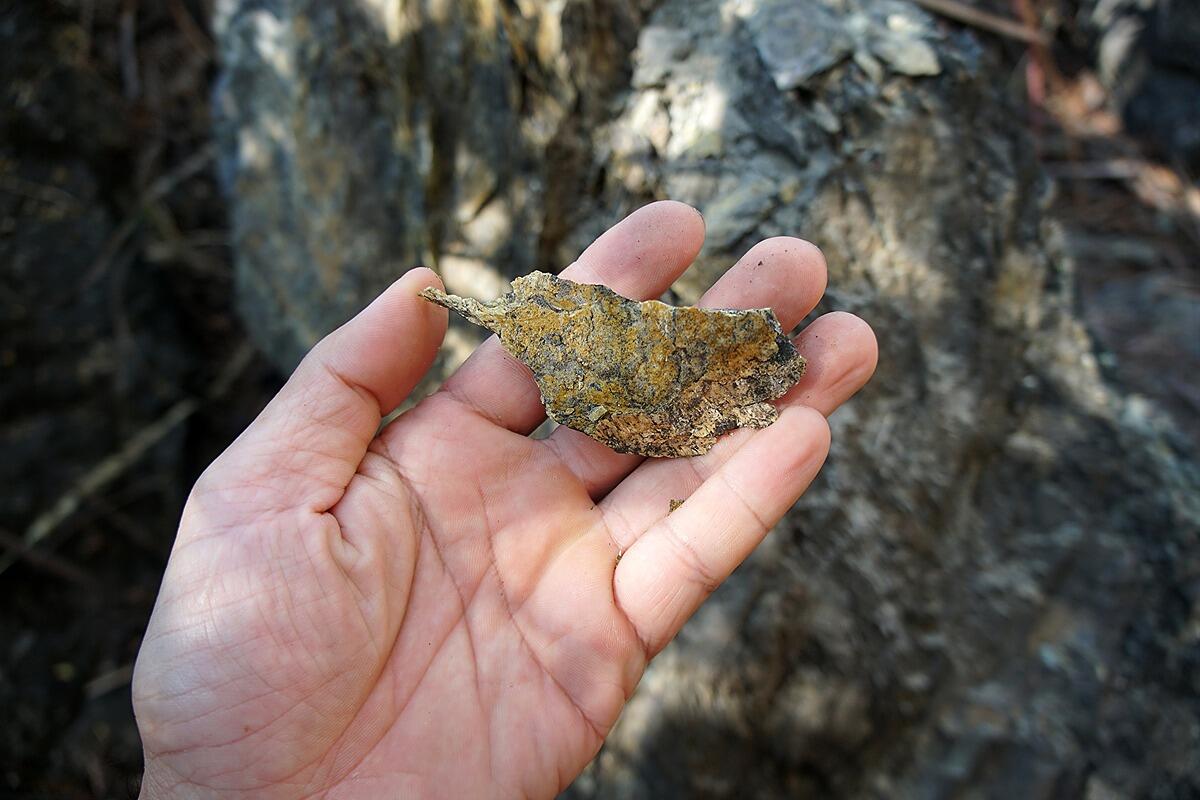
Vermiculite is a common ingredient and substrate that–along with perlite–is widely used in a range of applications. But even as often as it’s used, how vermiculite forms and how it gets to the end user is misunderstood or mysterious. In this article, we’re going to explain the basics about vermiculite–where it comes from, how it’s processed, and how it gets to the consumer.
What Is Vermiculite?
Vermiculite is a naturally occurring group of hydrated laminar silicate minerals (magnesium-aluminum-iron) that resembles mica in its flat, shiny, and charcoal to brown appearance. Key qualities of vermiculite that make it so useful include it being sterile, inert, lightweight, highly absorptive, and insulative (once heated and expanded). It also naturally has a neutral pH, making it non-reactive and versatile across industries and uses, both conventional and unique. Because vermiculite is fire-resistant and low-density while maintaining dimensional stability. Since it can hold its shape and size under high thermal stress, vermiculite will not warp or crack in the presence of heat, making a perfect material to include in passive fire protection systems.
While often used in similar industrial, construction, and horticultural applications alongside perlite, vermiculite differs in several ways, from makeup to location to harvesting and certain use cases. Both perlite and vermiculite are available in an array of sizes. The larger the particle, the more air space; the finer the particle, the more liquid retention.
Where Does Vermiculite Come From?
Vermiculite in its raw form is a natural result of the weathering of certain rocks, like phlogopite. Water, acidic, and hydrothermal conditions all have an effect on the rock materials which result in the hydrated, laminar magnesium-aluminum-iron silicate mineral known as vermiculite. During formation, moisture is trapped, and crude vermiculite ore can contain anywhere from 8% to 16% bound water by weight within its internal chemical structure. This water is what eventually forces rapid expansion during processing, when the vermiculite is super-heated.
Vermiculite is found naturally across the globe. Locations vary, based on the necessary combination of minerals and environmental conditions that must be present to facilitate vermiculite formation. Key countries that are modern locations from which to source vermiculite include The United States, Brazil, Uganda, Turkey, Zimbabwe and South Africa. But not every vermiculite deposit is the same. The final product after processing naturally occurring vermiculite can vary greatly based on factors such as specific mineral composition, expansion characteristics, color, density, purity and more. These differences are impacted by the unique characteristics of the harvesting location, and can affect processing and the suitability of the finished material for particular applications. As vermiculite manufacturers, PVP Industries works strategically with key mining partners and The Vermiculite Association to ensure that pure, high quality vermiculite is always available to our distributors and other clients.
How Is Vermiculite Harvested?
Vermiculite is harvested in its raw, mineral ore form. This is done in open-pit mines, which require a large surface excavation to expose the desired deposit. Drilling and blasting help to break up the dense material and then stepped benches are dug to enable vermiculite extraction. Because vermiculite is typically found in shallow surface deposits, making open cuts is a more efficient and practical harvesting technique than underground tunneling. Once the ore is broken free, it is separated from surrounding rock and unwanted material. Large excavators then load it onto trucks to be transported out of the pit and to a facility for processing.
How Vermiculite Gets To The Consumer
Freshly mined crude vermiculite ore isn't ready for sale or for use–it requires processing. This can entail steps such as crushing, screening, separation, and more. Once the vermiculite is graded and separated at the mine it is packaged for transportation in shipping containers from international sources or loaded in silos to fill trucks or railcars to be delivered to the exfoliator (PVP). Where it is super heated in furnaces (between 1,472°F and 1,832°F (800°C - 1,000°C)) and screened and packaged for sale. This rapid heating in turn causes rapid expansion when trapped water turns to vapor, forcing the vermiculite ore into its namesake, worm-like shape. This final, exfoliated form makes vermiculite the commercially valuable product it is.
After exfoliation, vermiculite can be classified by particle size and separated for use in various applications. Available grades of PVP vermiculite include:
Each grade has its ideal application and use case. PVP vermiculite is available in a range of package sizes for resale by vermiculite and perlite distributors or for use in products or production:
- 4 cu. ft. bags (plastic or paper bags available)
- 8 qt - 40 qt retail bags
- 60 cu. ft.
-
64
cu.
ft.
bags
While PVP perlite sizing is fairly customizable, PVP vermiculite offers more limited options due to availability and geological considerations. At PVP Industries, Inc. we work with international suppliers, domestic mines, and The Vermiculite Association to ensure that pure, high quality vermiculite is always available to our customers. Please contact us if you have any questions about our vermiculite granules for professionals.
Your Local Source For High Quality Vermiculite In Cleveland, Ohio
Perlite Vermiculite Packaging (PVP) Industries, Inc. has been the only Cleveland, Ohio processor, producer and vermiculite manufacturer for four decades. We serve the horticultural, construction, industrial, and even more unique or niche markets everyday. At PVP we are dedicated to quality and safety, and are proud to offer products that boast improved results in a wide range of projects. Check out our FAQ page for more information about our products and feel free to contact us with any questions about vermiculite or to find a distributor near you.
We Are Here to Help!
Find a distributor to purchase our products, or find out how you can become a distributor today!
Contact Us